Introduction
Pencil in hand, a young child leans deeply over the kitchen table, tongue caught between the teeth in absolute concentration. Every early childhood educator and pediatric occupational therapist recognizes this intense posture. Children desperately want to control the writing tool, yet small hand muscles often fatigue long before the creative spark dims. That’s exactly what this resource addresses. Bridging the gap between spontaneous scribbling and structured handwriting requires engaging, purposeful practice tools. Enter the “tracing lines castle” worksheet, a thoughtfully designed printable that transforms essential motor skill development into an imaginative medieval adventure.
💡 Educational Key Takeaways:
- Core Skill: Structured Tracing Lines Castle focused on developing pencil grip, stroke control, and early literacy/math confidence.
- Target Scope: Suited for homeschoolers, preschool, kindergarten, and elementary learners.
- Best Recommendation: Practice 10–15 minutes daily with ergonomic writing tools to reinforce muscle memory without hand fatigue.
What This Worksheet Covers
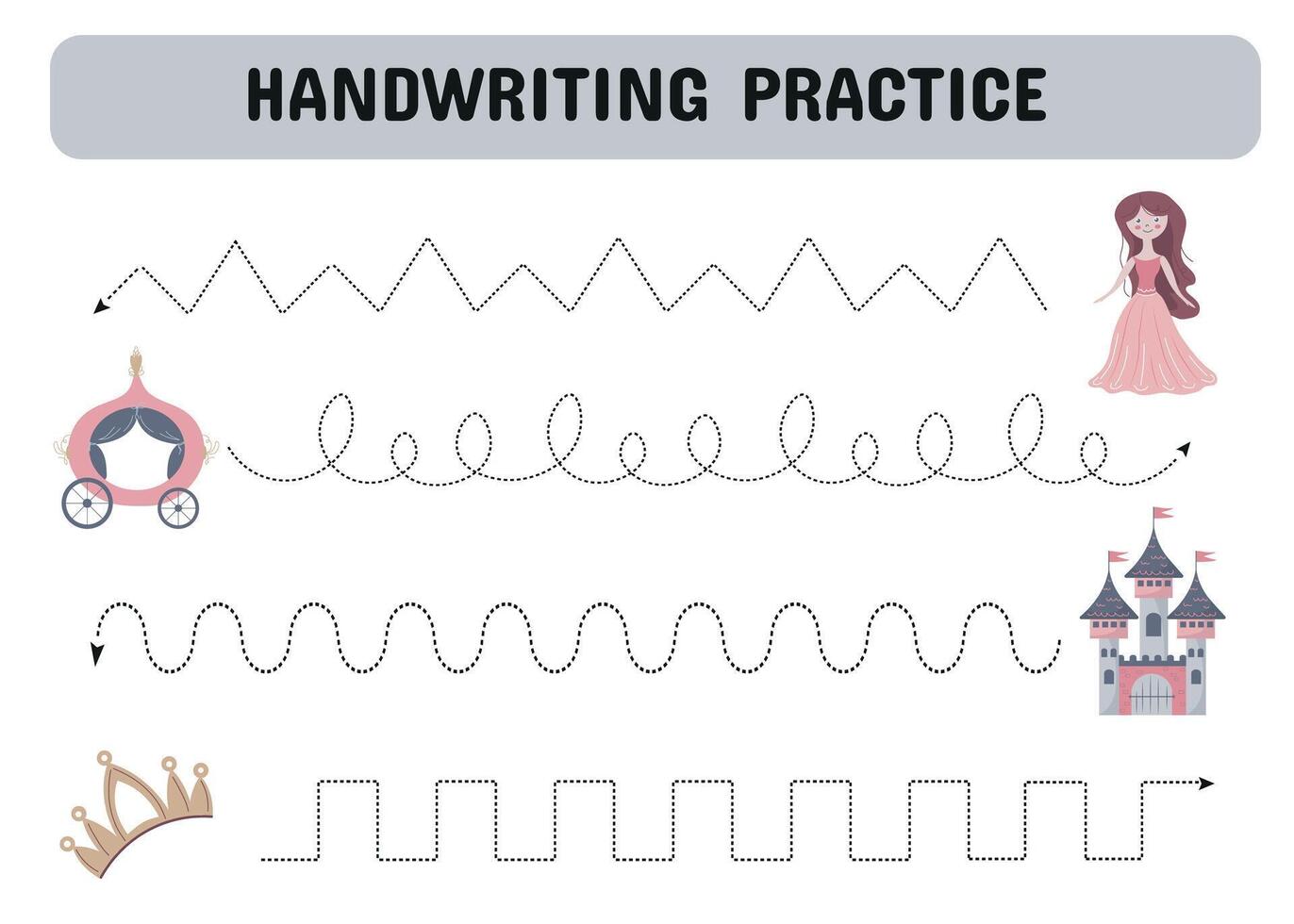
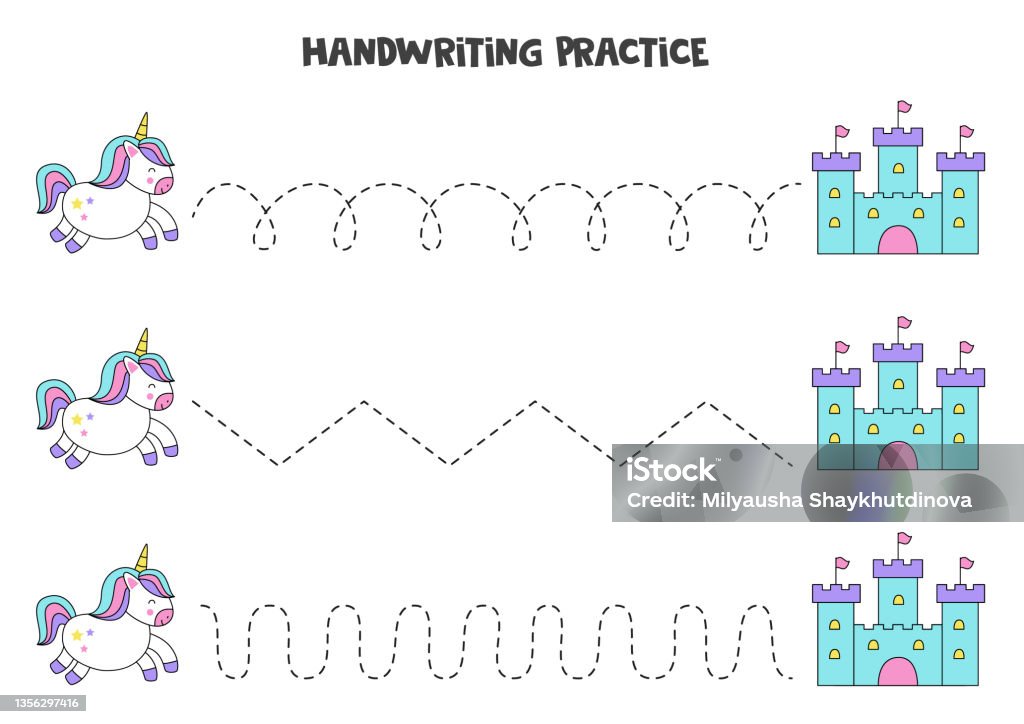
Graphicacy and foundational writing readiness begin long before formal alphabet instruction takes root. This specific print-and-go activity guides learners through horizontal, vertical, diagonal, and curved paths leading up to a majestic fortress. Here’s what makes this worksheet different: it replaces sterile, repetitive drill sheets with thematic storytelling elements that capture youthful imaginations. Children trace turret walls, draw flags flying from castle towers, and navigate moat bridges. Through these playful paths, young learners systematically build the visual-motor integration necessary for future academic success, drawing strength from collections found within Seasonal and Fun Themes.
Key Learning Outcomes
Targeted strokes embedded across the page reinforce critical pre-writing shapes. According to Reading Rockets, mastering foundational pre-writing strokes—such as vertical lines, horizontal lines, circles, and intersecting crosses—serves as a primary predictor of future handwriting fluency. As learners navigate the castle gates and ramparts, crossing the midline becomes second nature. Visual tracking improves steadily as eyes guide hands from left to right across the page. Furthermore, bilateral coordination strengthens naturally because one hand anchors the paper while the dominant hand executes the controlled tracing movement.
How to Use This Worksheet
Flexibility defines the best early learning tools. Educators can slip the printable inside heavy-duty plastic sleeves for endless dry-erase marker practice, or print fresh copies on standard paper to archive developmental progress over time. It sounds simple—and that’s the point. Children thrive when given multiple ways to interact with material. Colored pencils, crayons, and specialized grip-training pencils all fit comfortably within the generous pathways. Exploring varied textures keeps engagement high, establishing a strong foundation for broader activities housed under Fine Motor and Pre-Writing Skills.
Practical Tips for Parents and Teachers
Pencil grasp evolution demands patience and gentle guidance. Encouraging a functional tripod grasp prevents early hand cramping, though transitional fist grasps remain entirely normal for toddlers. Notice how young children often press down with immense force; modeling a lighter touch preserves finger stamina. Setting up a supportive vertical surface, such as attaching the paper to an easel or a taped wall vertical plane, naturally activates the wrist extension needed for superior pencil control. Paired with additional exercises from Shape and Line Tracing, daily short sessions yield remarkable dividends.
Age-Appropriate Recommendations
Alignment with established developmental milestones ensures children experience success rather than frustration. According to the Centers for Disease Control and Prevention, typical four-year-old children demonstrate the ability to copy simple shapes and draw lines with increasing directional control. Toddlers around age three generally enjoy tracing horizontal and vertical paths, whereas kindergarteners can tackle complex zigzag and wave patterns. These benchmarks align seamlessly with the National Association for the Education of Young Children Developmentally Appropriate Practice framework, emphasizing that process-oriented motor tasks far outweigh perfection in finished product output.
According to Reading Rockets, mastering foundational pre-writing strokes serves as a primary predictor of future handwriting fluency. — Reading Rockets Research Brief
Frequently Asked Questions
Explore More Free Printable Tracing Worksheets
Expanding a child’s collection of practice materials maintains enthusiasm for learning. Accessing diverse printable libraries allows caregivers to pivot seamlessly from castle themes to numerical journeys found within Tracing Number collections. Consistent, joyful exposure to structured lines guarantees a smooth transition into letters, words, and independent composition.
Download a free tracing lines castle worksheet designed by educators and occupational therapists to boost fine motor skills, pencil control, and pre-writing readiness.
💬 Frequently Asked Questions
Developmental Milestone & Activity Table
| Development Stage | Recommended Daily Duration | Primary Learning Objective |
|---|---|---|
| Preschool & Pre-K | 10 – 15 Minutes | Pencil grip development & basic pre-stroke lines |
| Kindergarten | 15 – 20 Minutes | Letter/number formation & spatial line awareness |
| Early Elementary (Grade 1–2) | 20 – 30 Minutes | Fluency, sentence construction & neatness |
Images References :