Introduction
Watch a room full of young children attempt to draw a straight vertical line on a piece of paper, and the entire body engages. Tongues poke out, shoulders elevate toward ears, and the free hand often mimics the exact motion of the writing hand. It sounds simple — and that is the exact point. Behind every foundational pre-writing stroke lies a complex web of postural stability, visual-motor integration, and proximal joint control. Hand strength alone never guarantees neat handwriting. According to the American Occupational Therapy Association, proximal stability of the trunk and shoulder girdle serves as the foundational base required for distal fine motor precision, allowing children to manipulate writing utensils effectively. Related guide: Collage Worksheet Coloring Activity For Kindergarten Shapes.
💡 Educational Key Takeaways:
- Core Skill: Structured Core Strength Vertical Tracing Activity Free focused on developing pencil grip, stroke control, and early literacy/math confidence.
- Target Scope: Suited for homeschoolers, preschool, kindergarten, and elementary learners.
- Best Recommendation: Practice 10–15 minutes daily with ergonomic writing tools to reinforce muscle memory without hand fatigue.
What This Worksheet Covers
This targeted educational resource bridges the gap between gross motor stability and fine motor execution. The core strength vertical tracing activity free worksheet utilizes top-to-bottom directional strokes specifically engineered to align with natural biomechanical movements. Children begin at the upper visual anchor and drag their writing instruments downward against gravity, a movement pattern that recruits the shoulder flexors and core stabilizers. That is exactly what this resource addresses. Instead of forcing cramped finger movements on flat surfaces, the layout encourages expansive, controlled strokes that build endurance and muscle memory. Exploring additional resources within Fine Motor and Pre-Writing Skills expands these foundational capabilities even further.
Key Learning Outcomes
Targeted vertical stroke practice yields measurable developmental gains across multiple domains of early childhood readiness. Visual tracking improves as eyes follow the path from the top margin down to the stopping point. Spatial awareness solidifies when boundaries are maintained without crossing lateral margins. Furthermore, consistent practice reinforces proper stroke directionality, a critical preventative measure against common letter reversals later in elementary school. According to Reading Rockets, early pencil control and stroke mastery significantly correlate with future reading and writing fluency, highlighting the profound impact of pre-writing worksheets.
How to Use This Worksheet
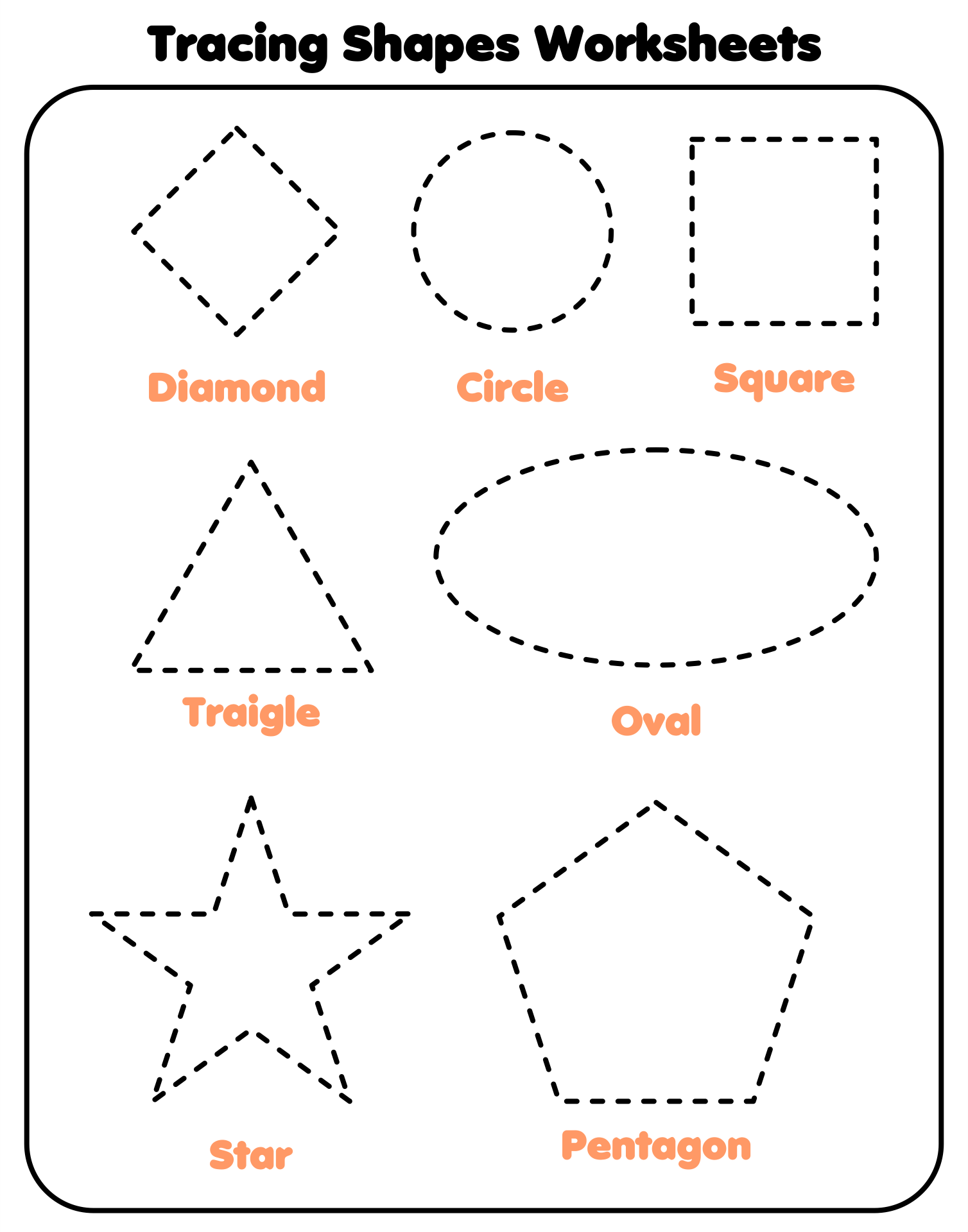
Implementation requires more than simply handing out pencils and paper. Securing the worksheet to a vertical surface, such as an easel, chalkboard, or taped wall, immediately transforms the biomechanics of the activity. Vertical surface work naturally activates the wrist extensors and shoulder stabilizers, correcting abnormal pencil grips at the source. Children trace the lines using various tactile mediums before graduating to standard writing utensils. Integrating these exercises with options from Shape and Line Tracing keeps children engaged across multiple developmental tiers.
Practical Tips for Parents and Teachers
Here is what makes this worksheet different: it emphasizes the physical posture of the writer just as much as the final mark on the page. Ensure feet rest flat on the floor or a stable footrest to provide the lower-body stability necessary for upper-body focus. Short, frequent sessions yield far better results than lengthy marathon attempts that induce hand fatigue and frustration. Alternate between traditional crayons, thick markers, and short golf pencils to challenge the intrinsic muscles of the hand in novel ways.
Age-Appropriate Recommendations
Developmental readiness dictates how children interact with tracing materials. Younger toddlers around ages two and three benefit from gross motor wall tracing using thick chalk or paintbrushes. Preschoolers and kindergartners transition nicely to markers and crayons on slanted boards, aligning with National Association for the Education of Young Children Developmentally Appropriate Practice guidelines. First-grade learners utilize these vertical guides to refine letter height, spacing, and baseline adherence. Discover related practice sheets under Dotted Letters For Tracing for older developmental stages.
Proximal stability of the trunk and shoulder girdle serves as the foundational base required for distal fine motor precision — American Occupational Therapy Association (AOTA)
Frequently Asked Questions
Clear guidance helps educators and caregivers maximize the therapeutic value of daily tracing activities. The answers below address the most common inquiries regarding printing, motor development, and practical execution.
Early pencil control and stroke mastery significantly correlate with future reading and writing fluency — Reading Rockets
Explore More Free Printable Tracing Worksheets
Expanding a child’s fine motor repertoire requires a diverse library of engaging printables. Accessing targeted collections like Tracing Worksheets ensures learners continuously encounter fresh challenges tailored to their developmental milestones.
Download a free core strength vertical tracing activity worksheet. Expert-designed to build fine motor skills, pencil control, and postural stability for kids ages 2–8.
💬 Frequently Asked Questions
Developmental Milestone & Activity Table
| Development Stage | Recommended Daily Duration | Primary Learning Objective |
|---|---|---|
| Preschool & Pre-K | 10 – 15 Minutes | Pencil grip development & basic pre-stroke lines |
| Kindergarten | 15 – 20 Minutes | Letter/number formation & spatial line awareness |
| Early Elementary (Grade 1–2) | 20 – 30 Minutes | Fluency, sentence construction & neatness |