Introduction
Watch any group of preschoolers sit down to draw, and a fascinating physical story unfolds across the table. One child grips the crayon with a tight, white-fisted fist, pressing so hard the wax shatters. Another child floats the pencil above the page, relying entirely on floppy wrist movements that yield shaky, uncontrolled lines. It sounds simple—and that’s the point. Long before pencils ever touch traditional desk paper, the foundation of handwriting is built far away from the fingers, originating deep within the upper body. Children struggling with pencil control are frequently fighting an upstream battle against unstable postural muscles rather than a lack of cognitive understanding. Related guide: Pattern Worksheets For Kindergarten.
💡 Educational Key Takeaways:
- Core Skill: Structured Tracing Line On Wall For Shoulder Stabiliation focused on developing pencil grip, stroke control, and early literacy/math confidence.
- Target Scope: Suited for homeschoolers, preschool, kindergarten, and elementary learners.
- Best Recommendation: Practice 10–15 minutes daily with ergonomic writing tools to reinforce muscle memory without hand fatigue.
What This Worksheet Covers
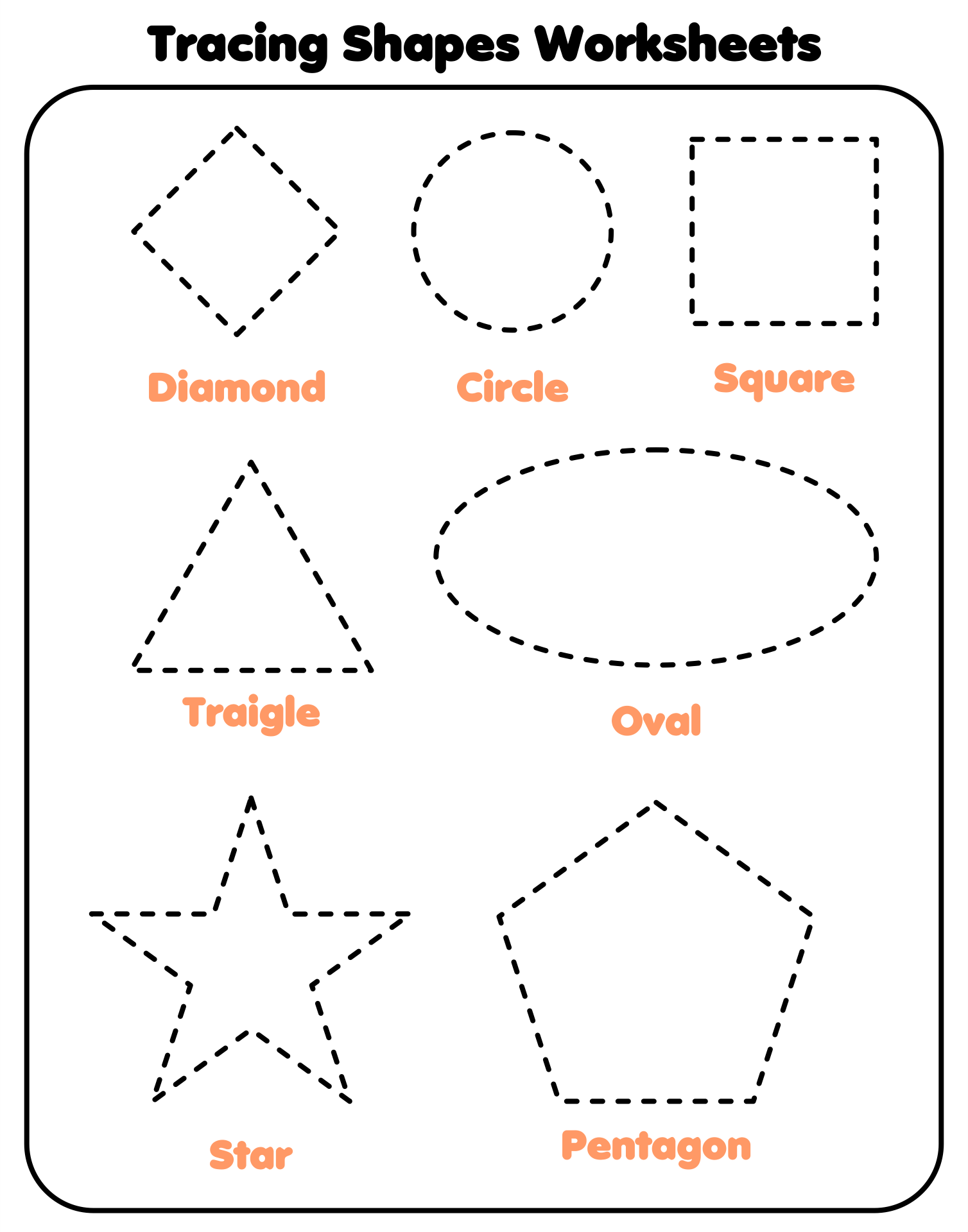
That is precisely what the tracing line on wall for shoulder stabilization resource addresses. While traditional worksheets keep young learners glued to flat horizontal surfaces, this specialized vertical approach redirects the biomechanical focus upward. Working on a vertical plane activates the shoulder girdle, scapular stabilizers, and core postural muscles in ways that sitting at a desk simply cannot replicate. Children exploring resources within Fine Motor and Pre-Writing Skills often discover that changing the workspace angle completely transforms pencil control. The free printable tracing worksheet provides guided visual paths designed to encourage sweeping arm movements, natural wrist extension, and dynamic visual-motor integration.
Key Learning Outcomes
Targeted vertical surface engagement builds the proximal stability required for distal dexterity. When shoulder joints lock into a stable, supported position against gravity, the fingers and hands are finally free to execute precise, refined movements. According to the American Occupational Therapy Association, proximal stability provides the necessary foundation for distal mobility, meaning strong shoulders directly enable fluent finger control during handwriting tasks. Beyond pure muscle conditioning, learners develop critical visual tracking skills, spatial awareness, and bilateral coordination as they guide writing utensils across elevated planes.
How to Use This Worksheet
Implementation requires nothing more than painter’s tape, a vertical surface such as a wall or easel, and the printed tracing sheet. Secure the worksheet at eye level or slightly above to naturally encourage upward gaze and extended reach. Children can use dry-erase markers inside protective plastic sleeves, chalk, or standard crayons depending on the preferred medium. Pairing these vertical exercises with collections found in Shape and Line Tracing Worksheets bridges the gap between gross motor movements and intricate, small-scale pencil paths. Encouraging learners to stand with feet apart establishes a grounded base of support, maximizing core engagement throughout the activity.
Practical Tips for Parents and Teachers
Environmental setup dictates success when transitioning children to vertical tracing activities. Positioning the worksheet slightly above eye level forces natural wrist extension, which is the biomechanically optimal position for pencil grasp development. Educators and caregivers should monitor posture closely, ensuring shoulders remain relaxed away from the ears rather than shrugged tightly toward the neck. Rotating through different line weights and directional patterns keeps engagement high while challenging different muscle groups in the upper extremities. Short, frequent sessions yield significantly better developmental gains than prolonged periods of fatigued repetition.
Age-Appropriate Recommendations
Developmental readiness dictates how children interact with vertical tracing tools. Toddlers and young preschoolers benefit immensely from gross-motor continuous lines that require whole-arm movement without strict boundary constraints. As children progress toward kindergarten, they align naturally with the National Association for the Education of Young Children Developmentally Appropriate Practice guidelines, handling structured paths that demand controlled visual-motor pacing. By first and second grade, vertical stabilization exercises serve as powerful warm-up routines or targeted interventions for learners struggling with letter formation fatigue.
According to the American Occupational Therapy Association, proximal stability of the core and shoulder girdle is a biological prerequisite for distal fine motor dexterity and efficient handwriting. — AOTA Practice Guidelines
Frequently Asked Questions
How do I download and print the tracing line on wall worksheet? Simply click the download link on this page to save the PDF file, then print it directly from any standard home or classroom printer using regular paper.
How does vertical surface tracing improve fine motor and pre-writing skills? According to the American Occupational Therapy Association, working on a vertical plane builds shoulder stability and wrist extension, which are essential physical foundations for pencil control.
What age group benefits most from shoulder stabilization tracing? Children ages three through seven benefit the most, as this window is critical for establishing core postural stability and mature pencil grasps.
Explore More Free Printable Tracing Worksheets
Expanding a child’s pre-writing toolkit involves continuous exposure to diverse line weights, geometric forms, and foundational strokes. Educators looking to diversify their instructional materials will find endless inspiration by browsing through Alphabet and Number Tracing collections, alongside specialized practice sheets housed within Dotted Letters For Tracing. Blending vertical surface activities with traditional table work creates a well-rounded, neurologically rich path toward lifelong writing success.
Discover a free printable tracing worksheet designed for shoulder stabilization on vertical surfaces. Boost fine motor skills, core posture, and pre-writing readiness.
💬 Frequently Asked Questions
Developmental Milestone & Activity Table
| Development Stage | Recommended Daily Duration | Primary Learning Objective |
|---|---|---|
| Preschool & Pre-K | 10 – 15 Minutes | Pencil grip development & basic pre-stroke lines |
| Kindergarten | 15 – 20 Minutes | Letter/number formation & spatial line awareness |
| Early Elementary (Grade 1–2) | 20 – 30 Minutes | Fluency, sentence construction & neatness |