Introduction
Pencil in hand, a four-year-old stares intently at a page, tongue slightly caught between teeth, pushing a crayon in a determined circle to complete a sleepy bear’s round belly. Early childhood classrooms and pediatric therapy clinics buzz with this exact kind of focused, quiet energy every single day. Children naturally gravitate toward animal illustrations long before they show any enthusiasm for rigid writing drills. Capitalizing on this innate fascination transforms routine pencil practice into an engaging play-based experience. The free printable tracing worksheet titled shapes drawn in animals worksheet bridges the gap between creative drawing and foundational pre-writing mechanics. That is exactly what this resource addresses, turning abstract geometric shapes into friendly animal bodies.
💡 Educational Key Takeaways:
- Core Skill: Structured Shapes Drawn In Animals Worksheet focused on developing pencil grip, stroke control, and early literacy/math confidence.
- Target Scope: Suited for homeschoolers, preschool, kindergarten, and elementary learners.
- Best Recommendation: Practice 10–15 minutes daily with ergonomic writing tools to reinforce muscle memory without hand fatigue.
What This Worksheet Covers
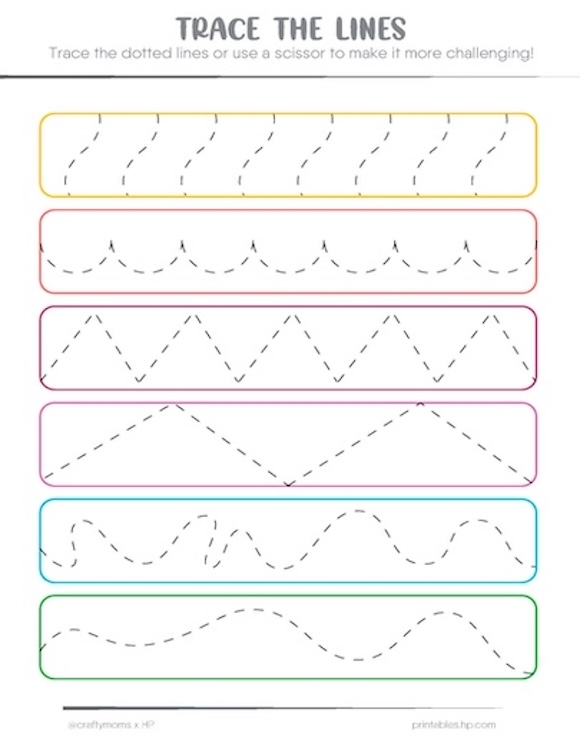
Geometric foundations form the bedrock of all future letter formation and early literacy tasks. Children must master vertical lines, horizontal strokes, circles, and triangles before attempting complex uppercase letters. Here is what makes this worksheet different: it embeds these essential strokes directly into the anatomy of familiar creatures. Circles become owl eyes, triangles shape the ears of a sly fox, and rectangles outline the sturdy torso of an elephant. According to the American Occupational Therapy Association, foundational visual-motor integration skills directly predict future academic success in writing and mathematics. Through purposeful line work, children strengthen the small intrinsic muscles of the hand while learning to interpret spatial relationships on a flat sheet of paper.
Key Learning Outcomes
Targeting specific developmental milestones requires more than random repetitive lines. This targeted resource systematically guides learners through stroke sequencing, spatial awareness, and sustained visual attention. Little ones build bilateral coordination by stabilizing the paper with one hand while executing controlled strokes with the dominant hand. Furthermore, stroke consistency improves dramatically when tracing has a meaningful purpose, such as closing a turtle shell or finishing a buzzing bee’s striped body. Educators can easily pair these pages with broader lessons found within Shape and Line Tracing collections to reinforce spatial concepts.
How to Use This Worksheet
Facilitating successful tracing sessions involves setting up the physical workspace correctly. Flat surfaces, child-sized seating, and appropriate lighting reduce physical fatigue during fine motor tasks. Beginning learners benefit immensely from tactile trials before pencil touches paper, such as tracing the animal outlines with a finger or loose yarn. It sounds simple, and that’s the point: multi-sensory preparation anchors the muscle memory required for confident pencil control. Educators often slide these printable sheets into clear plastic sleeves for dry-erase marker practice, allowing children to make mistakes and try again without frustration.
Practical Tips for Parents and Teachers
Observation remains the most powerful tool in any adult’s teaching arsenal. Watch for signs of excessive hand tension, awkward wrist bending, or an overly tight fist grip that restricts fluid finger movement. Short, frequent sessions yield far better results than marathon tracing drills that drain a child’s attention span. When hands grow tired, transition the activity to vertical surfaces like easels or taped wall paper, which naturally promotes optimal wrist extension. Comprehensive practice routines often incorporate supplementary exercises available through Fine Motor and Pre-Writing Skills to build holistic upper extremity strength.
Age-Appropriate Recommendations
Developmental readiness varies widely across early childhood, requiring flexible application methods. According to the National Association for the Education of Young Children guidelines on developmentally appropriate practice, learning experiences must align with each child’s current motor capabilities and cognitive stage. Two-year-olds and young three-year-olds benefit most from thick crayons and large, continuous animal outlines that encourage gross motor arm movements. Older preschoolers and kindergarteners aged four to six can transition to regular pencils, finer markers, and more complex geometric enclosures. Setting realistic expectations ensures that tracing remains an enjoyable, confidence-building milestone rather than a source of childhood anxiety.
Visual-motor integration and fine motor control account for up to 60 percent of a young child’s daily classroom activities. — American Occupational Therapy Association (AOTA)
Frequently Asked Questions
Finding clear answers to common questions helps adults maximize the educational impact of early writing resources.
Early fine motor interventions in preschool settings significantly improve subsequent handwriting legibility and spatial organization in primary school. — National Institutes of Health (NIH)
Explore More Free Printable Tracing Worksheets
Expanding a child’s learning library keeps engagement high throughout the entire developmental journey. Curated collections offer endless opportunities for targeted practice, whether young learners are mastering the alphabet or building number recognition. Explore additional resources via Tracing Worksheets and Alphabet and Number Tracing to keep early writing sessions fresh, creative, and developmentally sound.
Discover a free printable shapes drawn in animals worksheet designed by educators and occupational therapists to build fine motor skills, pencil control, and pre-writing readiness for ages 2-8.
💬 Frequently Asked Questions
Developmental Milestone & Activity Table
| Development Stage | Recommended Daily Duration | Primary Learning Objective |
|---|---|---|
| Preschool & Pre-K | 10 – 15 Minutes | Pencil grip development & basic pre-stroke lines |
| Kindergarten | 15 – 20 Minutes | Letter/number formation & spatial line awareness |
| Early Elementary (Grade 1–2) | 20 – 30 Minutes | Fluency, sentence construction & neatness |