Introduction
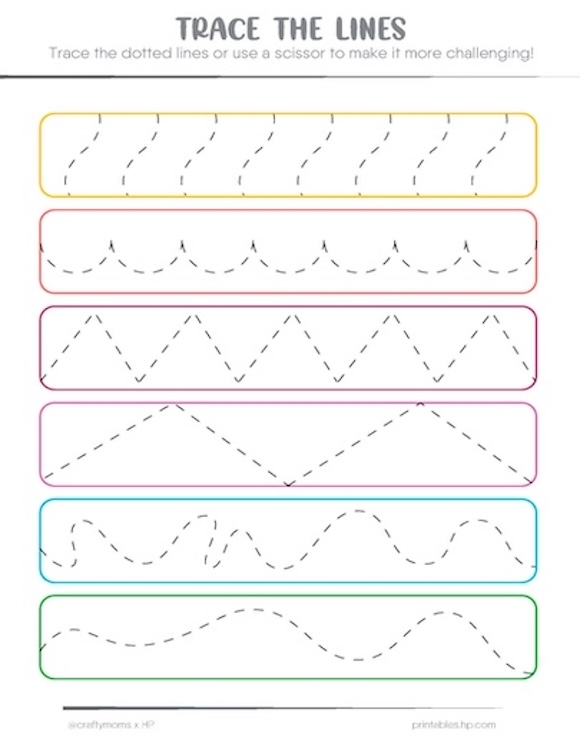
Pencil in hand, a four-year-old grips a crayon with a full-fisted grasp, pressing down hard as the tip glides across the page. Young children often show immense fascination with forming letters long before they understand the phonetic sounds those symbols represent. Yet, bridging the gap between scribbling and legible handwriting requires deliberate, scaffolded practice that nurtures tiny hand muscles. That’s exactly what this resource addresses. The dotted line alphatbet worksheets pdf offers a structured, engaging pathway for developing foundational literacy and penmanship skills. Behind every simple stroke lies a complex neurological and physical milestone waiting to be unlocked.
💡 Educational Key Takeaways:
- Core Skill: Structured Dotted Line Alphatbet Worksheets Pdf focused on developing pencil grip, stroke control, and early literacy/math confidence.
- Target Scope: Suited for homeschoolers, preschool, kindergarten, and elementary learners.
- Best Recommendation: Practice 10–15 minutes daily with ergonomic writing tools to reinforce muscle memory without hand fatigue.
What This Worksheet Covers
Mastering the alphabet requires breaking down complex letter shapes into manageable visual and motor components. This comprehensive printout guides learners through both uppercase and lowercase letter formations using precise dot-to-dot pathways. Directional arrows and starting dots eliminate guesswork, teaching proper stroke sequences from the very first attempt. According to Reading Rockets, explicit instruction in letter formation significantly accelerates early reading and writing fluency. Beyond mere repetition, the layout reinforces visual-spatial awareness by training eyes to track from left to right and top to bottom across the page.
Key Learning Outcomes
Targeted tracing exercises build vital neurological connections between the visual cortex and the motor planning centers of the brain. Children systematically refine their bilateral coordination as one hand stabilizes the paper while the other executes controlled pencil movements. Furthermore, repeated exposure to these letter forms cements orthographic mapping, making the eventual transition to unguided writing remarkably smooth. According to the American Occupational Therapy Association, foundational fine motor tasks directly impact a child’s academic confidence and classroom endurance.
How to Use This Worksheet
Implementation requires more than simply handing over a printed sheet and a writing utensil. Educators and caregivers achieve the best results by introducing multi-sensory pre-writing phases before the pencil ever touches the paper. Tracing with a finger, building letter shapes with playdough, or drawing lines in shaving cream prepares the hand muscles effectively. Here’s what makes this worksheet different: the inclusion of generous spacing and proportional guidelines that accommodate developing motor control without causing unnecessary frustration.
Practical Tips for Parents and Teachers
Encouraging a functional pencil grasp prevents early hand fatigue and ensures long-term writing comfort. Short, frequent sessions yield far superior results compared to prolonged drills that test a young child’s attention span. Laminating these pages or sliding them into heavy-duty plastic sleeves transforms a single-use handout into a reusable dry-erase center. Exploring additional resources within the Fine Motor and Pre-Writing Skills collection can further support these early developmental stages at home or in the classroom.
Age-Appropriate Recommendations
Child development follows predictable sequences outlined by trusted educational frameworks. According to the National Association for the Education of Young Children, developmentally appropriate practice emphasizes process over product for children ages three to six. Two-year-olds benefit primarily from horizontal and vertical pre-writing strokes, while older preschoolers and kindergarteners readily tackle structured letter tracing. Aligning activities with Common Core standard L.K.1.a—printing uppercase and lowercase letters—ensures that early childhood instruction remains both rigorous and supportive of natural maturation rates.
Over 80% of fine motor control and spatial planning foundations are established during early childhood years through targeted sensory-motor activities. — American Occupational Therapy Association
Frequently Asked Questions
Navigating early writing milestones often brings up specific questions regarding printable resources and developmental timelines. Caregivers frequently wonder how to balance structured practice with creative expression. Reviewing the answers below provides clarity on downloading files, supporting grip strength, and understanding readiness cues.
Explore More Free Printable Tracing Worksheets
Expanding a child’s pre-writing library keeps engagement high and skill development on track. Transitioning from letters to numbers becomes seamless when utilizing the targeted resources found in the Alphabet and Number Tracing section. Additionally, incorporating variations from the Dotted Letters For Tracing category ensures continuous growth in handwriting precision throughout the school year.
Download a free dotted line alphabet worksheet PDF to help young children build fine motor skills, proper pencil grip, and letter formation fluency.
💬 Frequently Asked Questions
Developmental Milestone & Activity Table
| Development Stage | Recommended Daily Duration | Primary Learning Objective |
|---|---|---|
| Preschool & Pre-K | 10 – 15 Minutes | Pencil grip development & basic pre-stroke lines |
| Kindergarten | 15 – 20 Minutes | Letter/number formation & spatial line awareness |
| Early Elementary (Grade 1–2) | 20 – 30 Minutes | Fluency, sentence construction & neatness |