Introduction
Young children naturally gravitate toward animals, jungle environments, and playful imagery. Capitalizing on this innate fascination transforms traditional pencil practice from a tedious chore into an engaging adventure. Developing foundational pencil control requires patience, repetition, and the right tools. Many adults hand children standard worksheets filled with rigid geometric patterns, only to watch frustration mount within minutes. That is exactly what this resource addresses by bridging the gap between imaginative play and structural fine motor skill acquisition. Experience shows that when a child navigates a curved path to help a monkey reach a banana or outlines a triangle to form a tiger’s ears, neurological engagement skyrockets. Every downward stroke and diagonal pull builds the intrinsic muscle memory necessary for future handwriting success.
💡 Educational Key Takeaways:
- Core Skill: Structured Jungle Animal Shape Tracer Page focused on developing pencil grip, stroke control, and early literacy/math confidence.
- Target Scope: Suited for homeschoolers, preschool, kindergarten, and elementary learners.
- Best Recommendation: Practice 10–15 minutes daily with ergonomic writing tools to reinforce muscle memory without hand fatigue.
What This Worksheet Covers
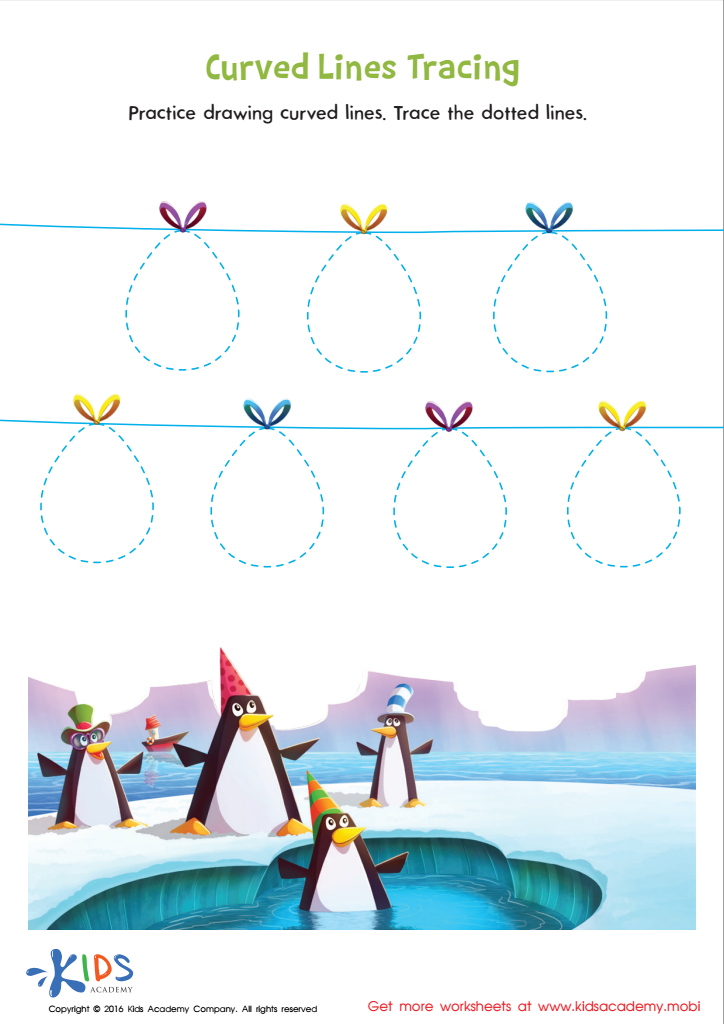
The jungle animal shape tracer page merges basic geometry with whimsical wildlife characters. Circles, squares, triangles, and complex wavy paths interlock with illustrations of lions, elephants, toucans, and monkeys. Children trace dotted pathways that outline exotic creatures or lead them through dense tropical canopies. This multi-layered design encourages both continuous line fluidity and abrupt directional shifts. Such varied movements challenge the small muscles in the hand to adapt dynamically. According to the American Occupational Therapy Association, foundational fine motor tasks involving varied line formations are critical precursors for functional writing and daily living activities. Exploring the broader Shape and Line Tracing collection reveals how targeted geometric practice supports visual-motor integration in early childhood settings.
Key Learning Outcomes
Targeted tracing exercises foster critical developmental milestones long before formal spelling or paragraph composition begins. Hand-eye coordination improves significantly as little eyes guide little hands along precise dotted trajectories. Spatial awareness also deepens when learners distinguish between inside shapes, perimeter lines, and outer boundaries. Furthermore, bilateral coordination strengthens because one hand stabilizes the paper while the dominant hand executes the pencil movements. According to Reading Rockets, early visual-motor proficiency directly correlates with a child’s ability to recognize letter formations and directional orientation during reading and writing instruction. Integrating activities from Fine Motor and Pre-Writing Skills ensures children develop the stamina required for sustained academic tasks without experiencing hand fatigue.
How to Use This Worksheet
Implementation requires minimal preparation, making this printout ideal for busy classrooms, therapeutic clinics, and kitchen table homeschool environments. Printing the page on heavier cardstock prevents tearing and allows for repeated use if placed inside a dry-erase sleeve. Children begin at the designated green starting dots and follow the directional arrows toward the red stop signs. That visual cueing system teaches self-regulation and directional tracking naturally. Adults should observe hand positioning carefully, ensuring a functional grasp where the thumb opposes the index and middle fingers. It sounds simple, yet proper mechanical habits formed at this stage prevent unnecessary physical strain later in elementary school.
Practical Tips for Parents and Teachers
Variety keeps motivation high, so ditching standard graphite pencils occasionally for broken wax crayons or vibrant markers changes the sensory feedback completely. Short, frequent sessions yield far better results than marathon tracing blocks. Five minutes of focused tracing daily builds intrinsic hand strength faster than a single weekly thirty-minute sitting. Surface angle matters tremendously; clipping the worksheet to a slanted writing board encourages an upright wrist posture and activates the necessary arm muscles. Children frequently lean too heavily onto the page, so offering gentle verbal reminders to keep the hand light fosters better dexterity and smoother line execution.
Age-Appropriate Recommendations
Developmental readiness dictates how children interact with tracing materials, and adhering to established standards ensures appropriate expectations. According to the National Association for the Education of Young Children guidelines on developmentally appropriate practice, two- and three-year-olds benefit most from thick, continuous horizontal and vertical strokes, whereas older children aged four through six can accurately navigate intricate geometric shapes and intersecting pathways. Educators utilizing Common Core ELA standards (such as CCSS.ELA-LITERACY.L.K.1.A) recognize that physical control over writing implements is a vital baseline objective for kindergarten readiness. Selecting appropriate challenges from the Tracing Worksheets archive guarantees that learners neither plateau from boredom nor retreat from excessive difficulty.
Early visual-motor proficiency directly correlates with a child’s ability to recognize letter formations and directional orientation during instruction. — Reading Rockets
Frequently Asked Questions
Finding clear guidance on developmental motor milestones empowers educators and caregivers to support children effectively. The answers below address common inquiries regarding accessibility, skill progression, and optimal implementation strategies for early childhood growth.
Explore More Free Printable Tracing Worksheets
Expanding a child’s fine motor toolkit requires access to diverse themes that maintain high engagement over time. Discovering supplemental resources within categories like Alphabet and Number Tracing provides a seamless bridge from abstract shapes to recognizable letters and digits. Consistent, playful practice across varied formats ensures every young learner builds lasting confidence and superior hand control.
Download a free jungle animal shape tracer page designed by educators and occupational therapists to improve fine motor skills, pencil grip, and pre-writing readiness for ages 2–8.
💬 Frequently Asked Questions
Developmental Milestone & Activity Table
| Development Stage | Recommended Daily Duration | Primary Learning Objective |
|---|---|---|
| Preschool & Pre-K | 10 – 15 Minutes | Pencil grip development & basic pre-stroke lines |
| Kindergarten | 15 – 20 Minutes | Letter/number formation & spatial line awareness |
| Early Elementary (Grade 1–2) | 20 – 30 Minutes | Fluency, sentence construction & neatness |