Introduction
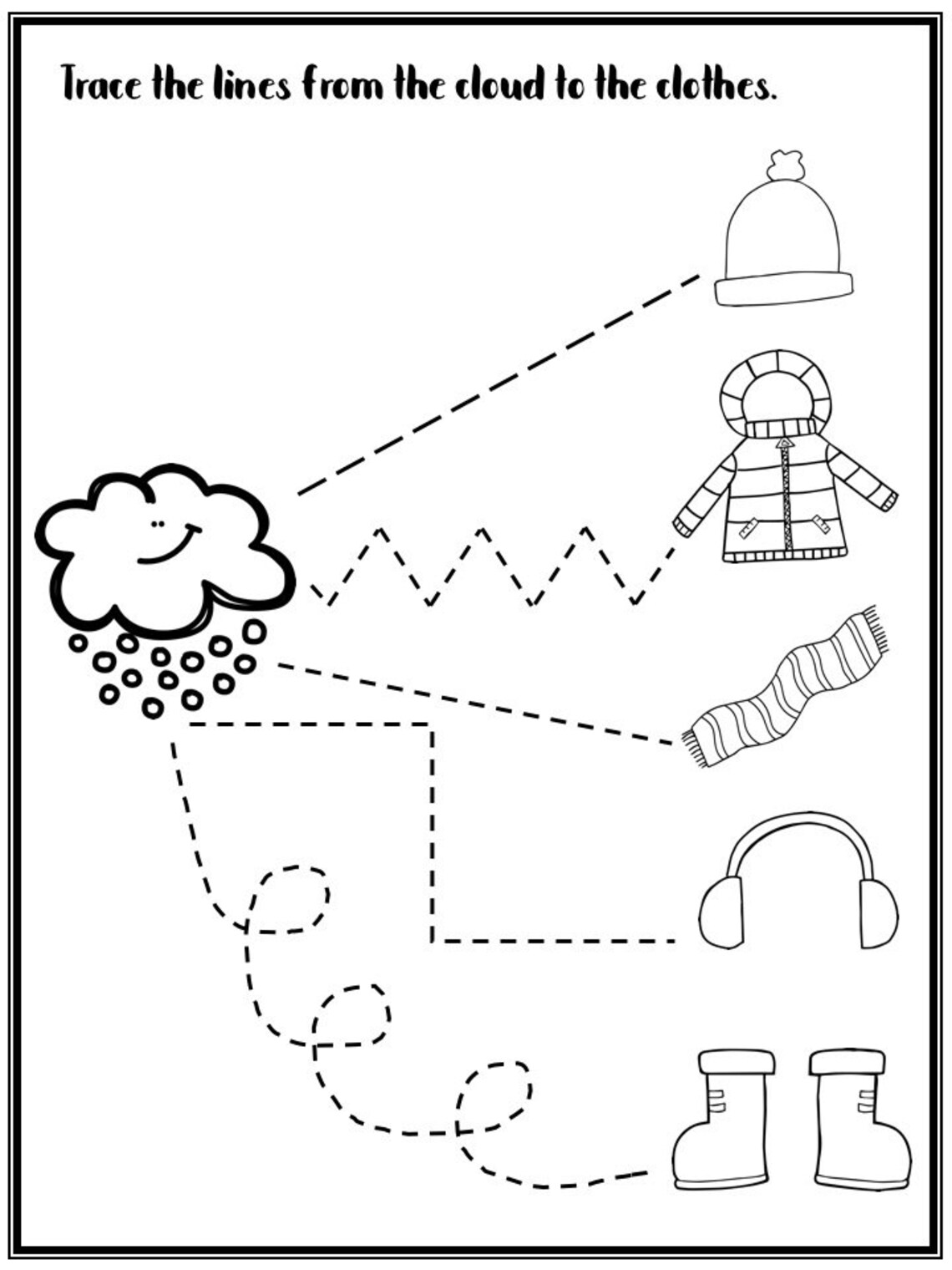
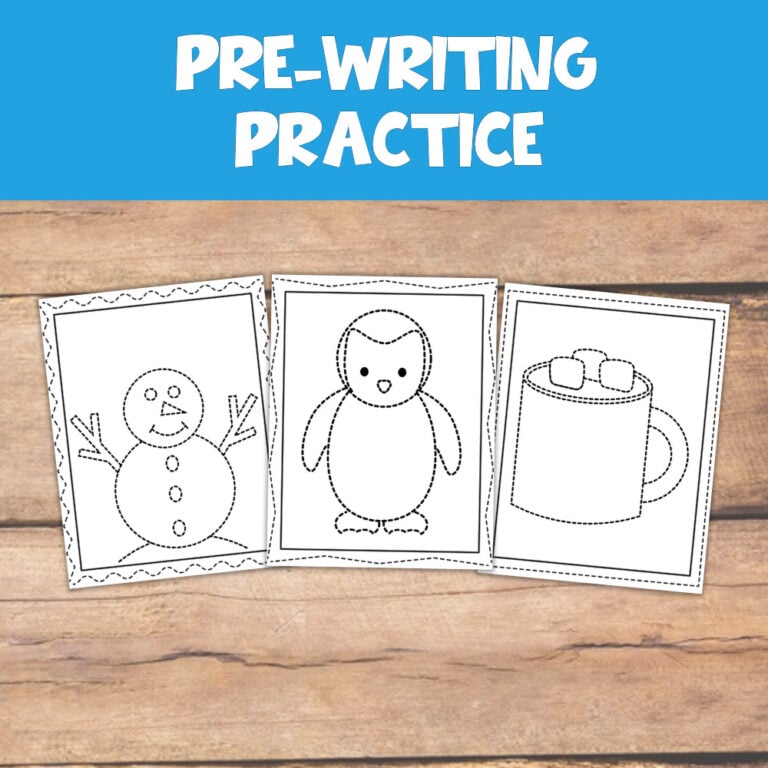
Winter brings a natural shift in pace, pulling young learners indoors where quiet table activities reign supreme. Children often squeeze crayons with white-knuckled intensity or struggle to keep a steady hand along a simple path. That is exactly what this resource addresses. The “winter tracing preschool activity” transforms fundamental pre-writing practice into an engaging seasonal exercise featuring snowflakes, mittens, and winding sled tracks. Every stroke builds the foundational muscle memory required for lifelong writing success, turning a chilly afternoon into a powerful developmental session.
💡 Educational Key Takeaways:
- Core Skill: Structured Winter Tracing Preschool Activity focused on developing pencil grip, stroke control, and early literacy/math confidence.
- Target Scope: Suited for homeschoolers, preschool, kindergarten, and elementary learners.
- Best Recommendation: Practice 10–15 minutes daily with ergonomic writing tools to reinforce muscle memory without hand fatigue.
What This Worksheet Covers
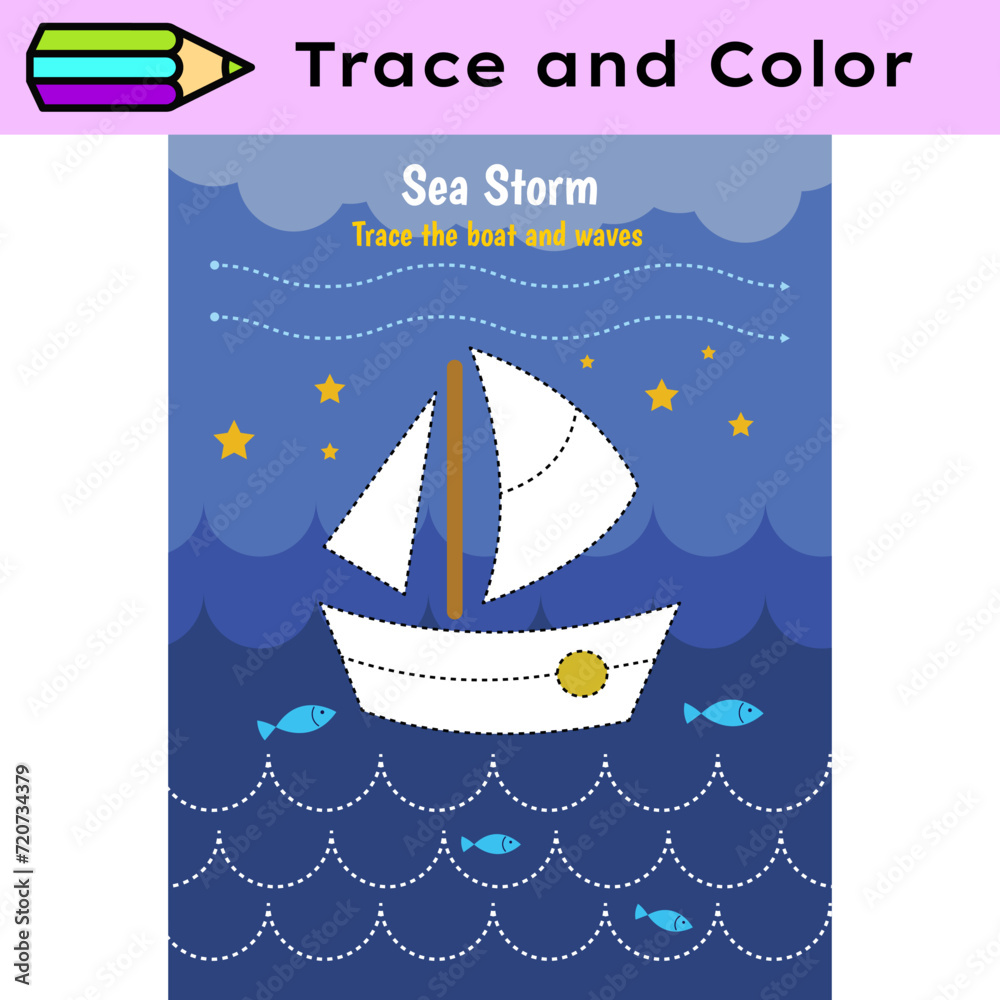
Progression is everything in early childhood skill-building. This printable collection starts with basic vertical and horizontal strokes before advancing to gentle curves, zigzags, and looping snowflake paths. Such directional variation challenges small hand muscles to adapt, pivot, and control pressure across the page. According to Reading Rockets, early exposure to structured tracing shapes and lines helps young children develop the visual-motor integration necessary for letter formation and reading readiness. Educators seeking additional thematic practice often explore Seasonal and Fun Themes to keep enthusiasm high throughout the changing school year.
Key Learning Outcomes
Mastery of these tracing paths yields profound gains beyond neat handwriting. Small muscle coordination improves rapidly as children learn to stabilize their paper with one hand while executing controlled strokes with the dominant hand. Visual tracking skills also sharpen significantly as eyes follow dotted lines from left to right across the page. Building these mechanics requires patience, repetition, and targeted practice found throughout comprehensive Fine Motor and Pre-Writing Skills collections designed for developing hands.
How to Use This Worksheet
Flexibility defines the best early childhood printables. Standard paper and thick crayons work wonderfully for a traditional pencil-and-paper experience, but laminating the sheets transforms them into reusable dry-erase boards. Children love wiping away their marks to try again, which lowers anxiety around making mistakes. Here is what makes this worksheet different: the inclusion of distinct visual start-and-stop cues that teach natural directional habits without requiring constant adult intervention.
Practical Tips for Parents and Teachers
Hand fatigue is a real hurdle during fine motor tasks. Short, frequent sessions lasting five to ten minutes yield much better results than long, frustrating marathons. Watch for proper tripod grasps, but avoid forcing a grip before little hand muscles are truly ready to support it. Placing the paper on a slight slant or taping it to the table prevents frustrating slips, keeping the focus entirely on smooth, rhythmic movement along the winter pathways.
Age-Appropriate Recommendations
Developmental readiness guides the introduction of any tracing material. Two-year-olds generally benefit from thick vertical lines and simple horizontal paths, aligning closely with the Centers for Disease Control and Prevention developmental milestones for early motor control. Three and four-year-olds can tackle intersecting lines, loops, and gentle curves found on standard preschool sheets. Kindergarteners refine their precision by tracing intricate paths and smaller letterforms, supporting the rigorous writing standards outlined in the Common Core State Standards (CCSS.ELA-LITERACY.L.K.1.A).
According to the Centers for Disease Control and Prevention, most children develop the ability to draw simple vertical and horizontal lines and circles between the ages of two and three.
Frequently Asked Questions
Explore More Free Printable Tracing Worksheets
Expanding a child’s tracing repertoire prevents boredom and reinforces diverse muscle groups. Beyond winter themes, educators and parents can browse Shape and Line Tracing pages to master geometric foundations. For children ready to transition from lines to letters and numerals, visiting Alphabet and Number Tracing provides a seamless next step in academic readiness.
Download our free winter tracing preschool activity worksheet to build essential fine motor skills, pencil control, and pre-writing readiness for young learners.
💬 Frequently Asked Questions
Developmental Milestone & Activity Table
| Development Stage | Recommended Daily Duration | Primary Learning Objective |
|---|---|---|
| Preschool & Pre-K | 10 – 15 Minutes | Pencil grip development & basic pre-stroke lines |
| Kindergarten | 15 – 20 Minutes | Letter/number formation & spatial line awareness |
| Early Elementary (Grade 1–2) | 20 – 30 Minutes | Fluency, sentence construction & neatness |
Images References :